
If you have been experiencing chronic headaches, ongoing stress, jaw tension, or sleep problems that will not shift, you may have come across craniosacral therapy as a possible option. But what exactly is craniosacral therapy used for, and could it help you?
This guide explains what craniosacral therapy is, what conditions it can support, what happens during a session, and how to find craniosacral therapy in the UK or craniosacral therapy in Croydon if you are looking for local support.
What Is Craniosacral Therapy?
Craniosacral therapy (CST) is a gentle, hands-on treatment that works with the body's natural rhythms to support healing and balance. It was developed in the 1970s by osteopath Dr John Upledger, based on the work of Dr William Sutherland.
The therapy focuses on the craniosacral system, which includes the membranes and fluid that surround and protect the brain and spinal cord. Practitioners use very light touch, often no heavier than the weight of a five pence coin, to release tension in the tissues and help the body return to a state of balance.
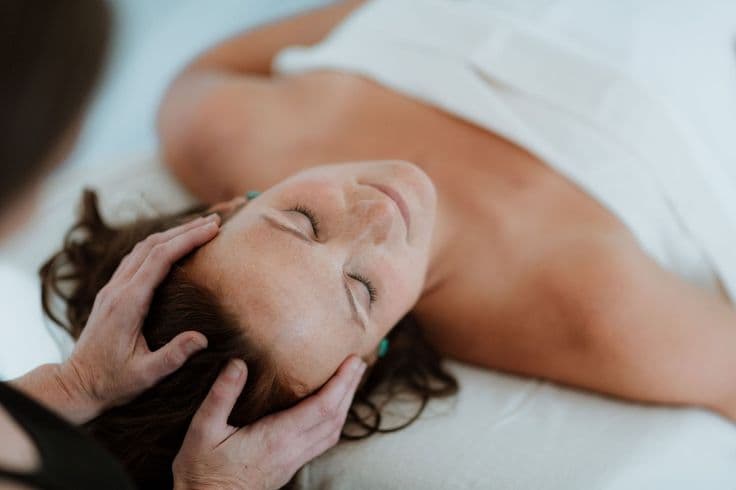
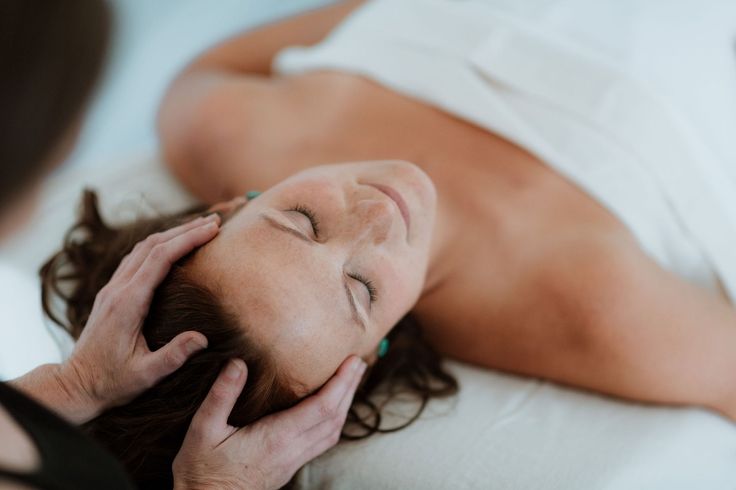
Unlike massage or manual therapies that use pressure or manipulation, craniosacral therapy is subtle and deeply relaxing. Many people describe it as feeling calm, held, and safe during a session.
What Is Craniosacral Therapy Used For?
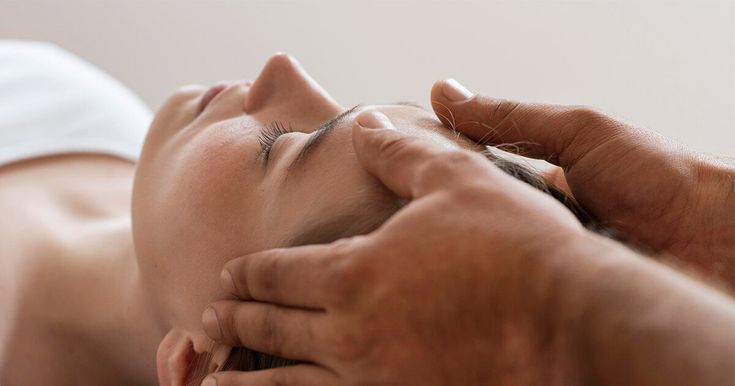
So, what is craniosacral therapy used for in practice? While it is a holistic treatment that supports overall wellbeing, people often seek it out for specific conditions or symptoms.
Stress and Anxiety
One of the most common reasons people turn to craniosacral therapy in the UK is for stress and anxiety relief. The gentle nature of the therapy helps calm the nervous system, moving it out of fight-or-flight mode and into a state where rest and repair can happen.
If you feel constantly on edge, struggle to switch off, or carry stress in your body, craniosacral therapy may help you feel more grounded and regulated.
Migraines and Chronic Headaches
Craniosacral therapy is widely used to support people experiencing migraines, tension headaches, and chronic head pain. By releasing restrictions in the skull, jaw, neck, and spine, the therapy can help reduce the frequency and intensity of headaches over time.
TMJ (Temporomandibular Joint) Dysfunction and Jaw Tension
If you clench your jaw, grind your teeth, or experience pain in the temporomandibular joint, craniosacral therapy can offer relief. The therapy works gently with the bones of the skull and jaw to release tension and improve movement.
Sleep Problems and Insomnia
Poor sleep is often linked to a nervous system that struggles to settle. Craniosacral therapy supports deep relaxation, which can improve sleep quality and help people who have trouble falling or staying asleep.
Chronic Pain and Tension
People living with chronic pain, fibromyalgia, or ongoing tension in the neck, shoulders, or back often find craniosacral therapy helpful. It works by releasing deep-seated restrictions in the fascia (connective tissue) and supporting the body's natural ability to heal.
Post-Traumatic Stress and Emotional Release
Because craniosacral therapy works with the nervous system, it can support people processing trauma, grief, or emotional overwhelm. The therapy creates a safe space for the body to release stored tension and stress.
Support During Pregnancy and Postpartum Recovery
Pregnant individuals and new parents often use craniosacral therapy to manage physical discomfort, support alignment, reduce tension, and promote relaxation during and after pregnancy.
What Are the Benefits of Craniosacral Therapy?
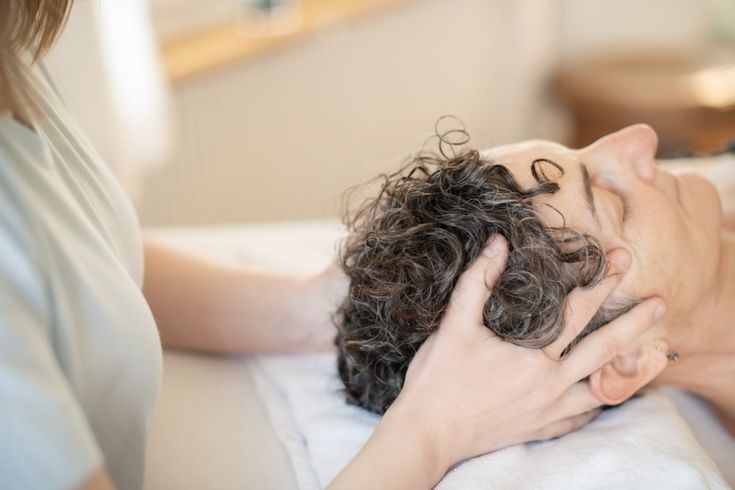
Beyond addressing specific conditions, craniosacral therapy offers a range of benefits that support overall health and wellbeing.
Calms the nervous system
The gentle touch used in craniosacral therapy helps shift the nervous system into a parasympathetic (rest and digest) state. This reduces the effects of chronic stress, lowers cortisol levels, and supports your body's ability to heal naturally. Many people feel calmer and more grounded after just one session.
Releases deep tension
By working with the fascia and craniosacral rhythm, the therapy can release long-held patterns of tension in the body. This is especially helpful for people carrying stress in the shoulders, neck, jaw, or lower back. Over time, this release can improve posture, mobility, and physical comfort.
Supports emotional wellbeing
Many people experience emotional shifts during or after craniosacral therapy sessions. As the body feels safe enough to release what it has been holding, suppressed emotions, grief, or stress may surface gently. This can support deeper emotional processing, improved mood, and a greater sense of inner peace.
Improves sleep and energy
By calming the nervous system and releasing tension, craniosacral therapy can lead to deeper, more restorative sleep. Better sleep often results in improved energy levels, clearer thinking, and a stronger ability to manage daily stress. People frequently report feeling more rested and recharged after treatment.
Complements other treatments
Craniosacral therapy works well alongside medical treatment, psychotherapy, coaching, and other holistic therapies such as acupuncture or Reiki. It does not replace conventional care but can support healing in a gentle, non-invasive way. Many practitioners recommend it as part of an integrative approach to health and wellbeing.
What to Expect from a Craniosacral Therapy Session

If you are considering craniosacral therapy in Croydon or anywhere else in the UK, it helps to know what a session involves.
You remain fully clothed and lie down on a treatment table in a calm, quiet environment. The practitioner will use very light touch on areas such as the head, spine, pelvis, and feet. You may feel warmth, tingling, pulsing, or deep relaxation. Some people fall asleep. Others feel emotional release or simply a sense of calm.
Sessions typically last between 45 minutes and an hour. The number of sessions needed varies depending on your goals and how your body responds. Some people feel a shift after one session, while others benefit from a series of treatments over several weeks.
Is Craniosacral Therapy Safe?
Craniosacral therapy is considered safe for most people, including children, pregnant individuals, and older adults. However, it may not be suitable for people with certain conditions, such as recent skull fractures, brain aneurysms, or severe bleeding disorders.
If you have any medical concerns, it is always a good idea to speak with your GP before starting craniosacral therapy, especially if you are receiving treatment for a serious condition.
Craniosacral Therapy in the UK and Croydon
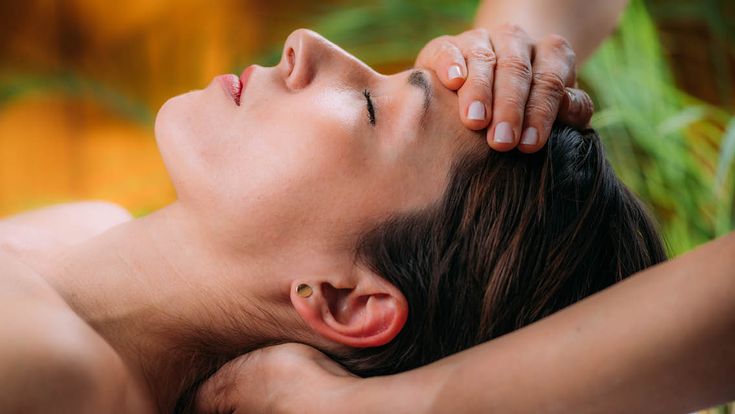
If you are looking for craniosacral therapy in the UK, there are trained practitioners across the country offering this gentle, effective treatment. For those based in or near South London, craniosacral therapy in Croydon is also available through holistic wellness centres like Flowergrid.
At Flowergrid Holistic Wellness Croydon, we offer a range of holistic therapies designed to support your mind, body, and spirit. Whether you are managing stress, pain, sleep issues, or simply looking for deeper relaxation and nervous system support, craniosacral therapy may be a valuable addition to your wellbeing routine.
You can explore our full range of services on the Holistic Wellness Services page, or book a free consultation to discuss whether craniosacral therapy is right for you.