



Men’s Mental Health Month 2026 is forcing a hard truth into the open. We can run awareness campaigns, post quotes, and share hotlines, but if we keep missing the early warning signs, men will keep suffering in silence.
More than 720,000 people die by suicide each year globally, and around 4.6% of adult men worldwide live with depression. Behind those numbers are real people whose pain often went unnoticed for far too long.
This is why I want to talk about The Hidden Signs of Depression in Men. Not the textbook version. The version that looks like “I’m fine” on the surface, and burnout, anger, withdrawal, or work obsession underneath.
If you want more context on the barriers that stop men reaching out, you can read this first: Men's Mental Health Month 2026: Why Men Don't Seek Help
Why “Hidden Signs” Matter in Men’s Mental Health Month 2026
One of the reasons Men’s Mental Health Month 2026 matters is that many men do not recognise depression when it shows up. They often do not describe it as sadness. They describe it as pressure, exhaustion, stress, a short fuse, or numbness.
The Hidden Signs of Depression in Men are “hidden” because they can look socially acceptable. Overworking can look like ambition. Emotional shutdown can look like self-control. Irritability can be dismissed as personality.
And when everyone around you accepts those explanations, it becomes easier to accept them yourself.
The Hidden Signs of Depression in Men That People Often Miss
1. Irritability, Anger, or a Constant Short Fuse
Depression in men often shows up as agitation rather than tears. You might notice:
- snapping over small things
- feeling constantly frustrated
- road rage, impatience, or hostility
- “I’m just stressed” becoming the default explanation
This is one of The Hidden Signs of Depression in Men because it gets labelled as temperament rather than a mental health signal.
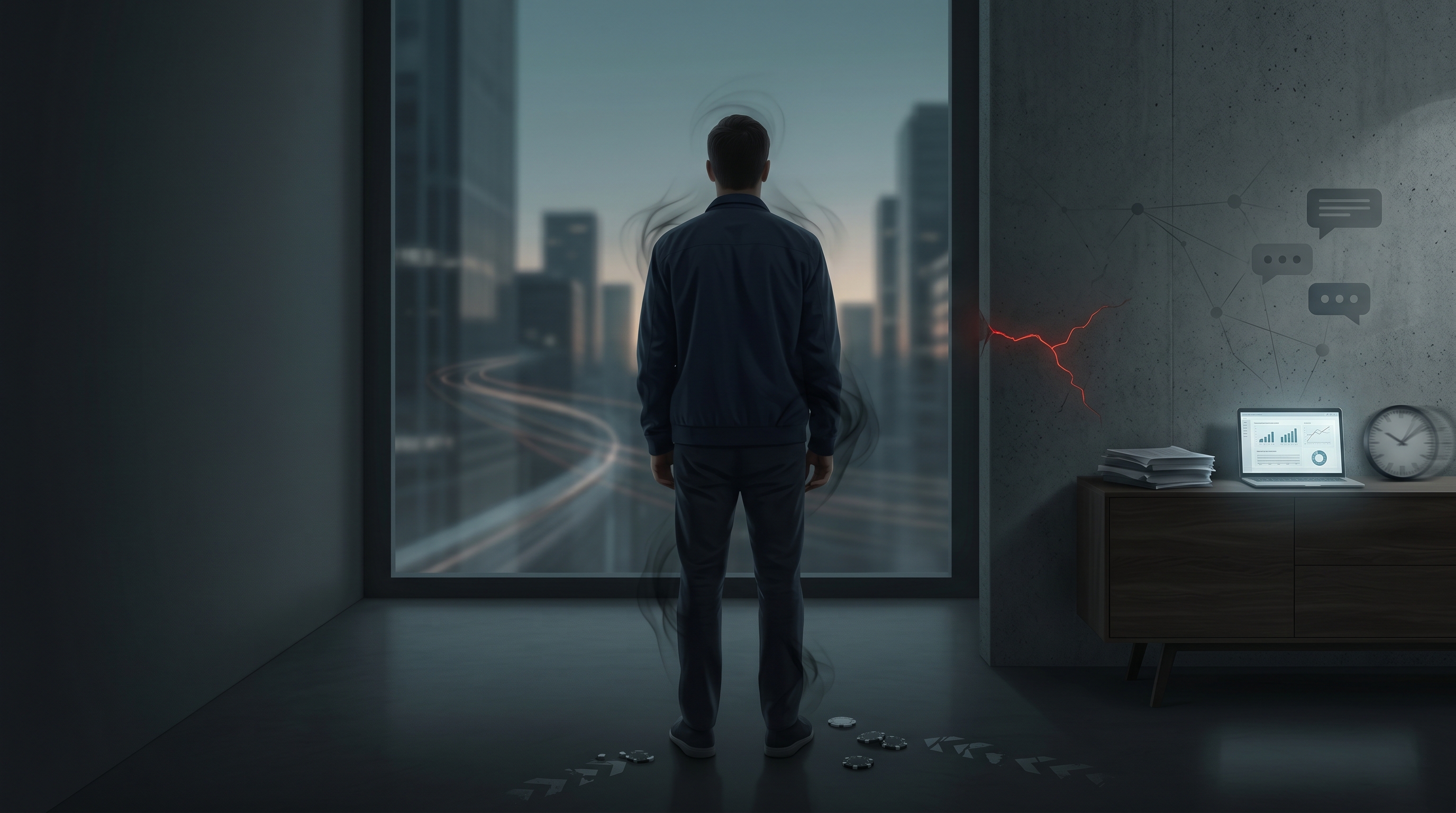
2. Overworking and Never Switching Off
Work can become a socially acceptable hiding place. You might see:
- longer hours with no real need
- avoiding home or relationships by staying “busy”
- using productivity to avoid feelings
- feeling restless when not working
In Men’s Mental Health Month 2026, we need to be honest about how often “work ethic” is a coping mechanism.
3. Withdrawing From People and Going Quiet
Not everyone withdraws dramatically. Sometimes it is subtle:
- fewer messages
- cancelling plans
- staying present physically but emotionally absent
- losing interest in social life
This is one of The Hidden Signs of Depression in Men that partners often feel first. They say, “He’s here, but he’s not really here.”
4. Risk Taking and Impulsive Behaviour
For some men, depression shows up as:
- reckless spending
- gambling
- substance use
- aggressive driving
- risky sexual behaviour
It is not always about pleasure. Sometimes it is about escaping numbness, or trying to feel something.
5. Physical Symptoms That Do Not Make Sense
Many men talk about the body before they talk about emotions. The Hidden Signs of Depression in Men can include:
- headaches
- stomach issues
- chronic fatigue
- sleep disruption
- muscle tension and jaw clenching
- low libido
This is where integrated support matters, because mental health and physical health are not separate lanes.
Why These Signs Are Often Missed
If you are reading this and thinking, “That’s me, but I’m not depressed,” I get it. Men’s Mental Health 2026 is about widening the definition of what depression can look like.
“I’m Fine” Is Not Always Fine
One of the most painful parts of The Hidden Signs of Depression in Men is that many men keep functioning.
They show up. They work. They provide. They joke. They get things done.
But inside, the internal world is shrinking.
I have spoken to men who could describe it clearly without calling it depression. They say things like “I feel nothing”, “I can’t switch off”, or “I’m angry and I don’t know why”. Men’s Mental Health Month 2026 needs more language like this. Less perfect labels, more honest descriptions.
How Depression Affects Relationships, Health and Identity
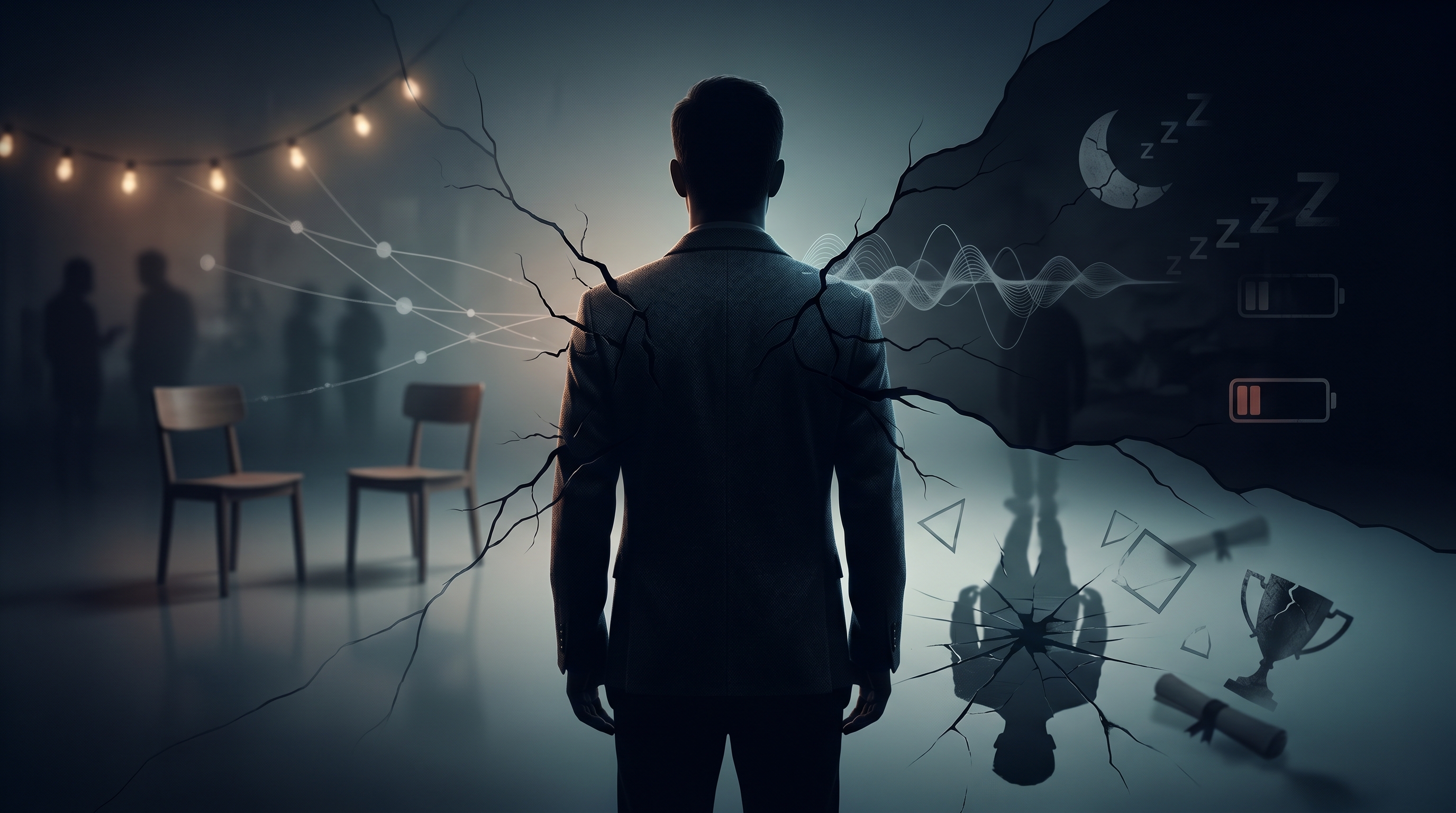
The Hidden Signs of Depression in Men rarely stay contained. They spill into relationships first. Emotional availability drops, and connection becomes harder. Partners may feel shut out. Arguments become more frequent, or everything becomes quiet and distant.
Health also takes a hit. Poor sleep, stress hormones, physical tension, and poor recovery build up over time. What starts as “just stress” can become long-term depletion.
Then identity suffers. Men who have always been reliable and capable start to feel like they are failing. Not because they are weak, but because they are struggling without support.
How to Help if You Recognise The Hidden Signs of Depression in Men
If you are worried about someone, start with safety, not solutions.
Try something simple. “I’ve noticed you seem under pressure lately. How are you really doing?” Or “I’m here, no judgement. Do you want to talk or just want company?”
Be specific about what you have noticed. “You’ve been sleeping badly” lands better than “You’re not yourself.” It gives the other person something clear to respond to.
And offer options, not ultimatums. Many men will accept support if it feels manageable. Some will prefer a practical coaching approach first. Others will do better with therapeutic support like hypnotherapy, especially when anxiety, habits, or phobias are in the mix.
What Support Can Look Like at Flowergrid Holistic Wellness Centre Croydon
Men’s Mental Health Month needs real pathways, not just awareness.
The right support looks different for different people. Some men benefit from practical stress management tools that help regulate the nervous system and reduce overwhelm. Others need space to regain clarity, rebuild confidence, and reconnect with a sense of direction through life and transformation coaching. When overthinking, self-criticism, and negative thought patterns are at the core of the struggle, NLP can be a powerful turning point.
At the heart of the approach offered by Flowergrid Holistic Wellness Centre Croydon is the belief that no two people experience depression, stress, or emotional burnout in exactly the same way. When the problem sits deeper, hypnotherapy and RTT can help shift subconscious beliefs and long-held patterns. And when depression is showing up physically, it is important to look at the full picture, including medical input and nutrition, rather than treating the body and mind like separate systems.
If you want to explore the cultural side of this topic, this article connects well with what you are reading now: Why the Stigma Around Men's Mental Health Still Exists and How to Break It
We also offer a free, no pressure discovery consultation. It is simply a first conversation to understand what is going on and what kind of support would actually help.

If You Recognise These Signs, Start Here
If you recognised yourself in The Hidden Signs of Depression in Men, please take that seriously. Not with panic. With honesty.
You do not need to hit rock bottom to deserve support. Men’s Mental Health Month is an invitation to notice it sooner, name it properly, and choose support before everything breaks.
And if you are supporting a man you love, your steadiness matters. The right conversation, at the right time, can genuinely change a life.
If you want to explore support options or book a free discovery consultation, visit https://flowergrid.co.uk/