


May is Mental Health Awareness Month, and Mental Health Month 2026 carries a theme that feels genuinely useful: More Good Days, Together. In other words, meet people where they are, support them as whole people, and remember that a “good day” looks different for everyone.
In this article, I want to explore what Mental Health Month is, how it began, what the 2026 theme is really asking us to do, and how a mind body spirit approach can make support feel more practical and less fragmented. I’ll also touch on why symbols like the Flower of Life can be a helpful framework for wholeness, without turning it into something mystical or unrealistic.
What is Mental Health Awareness Month and how did it begin?
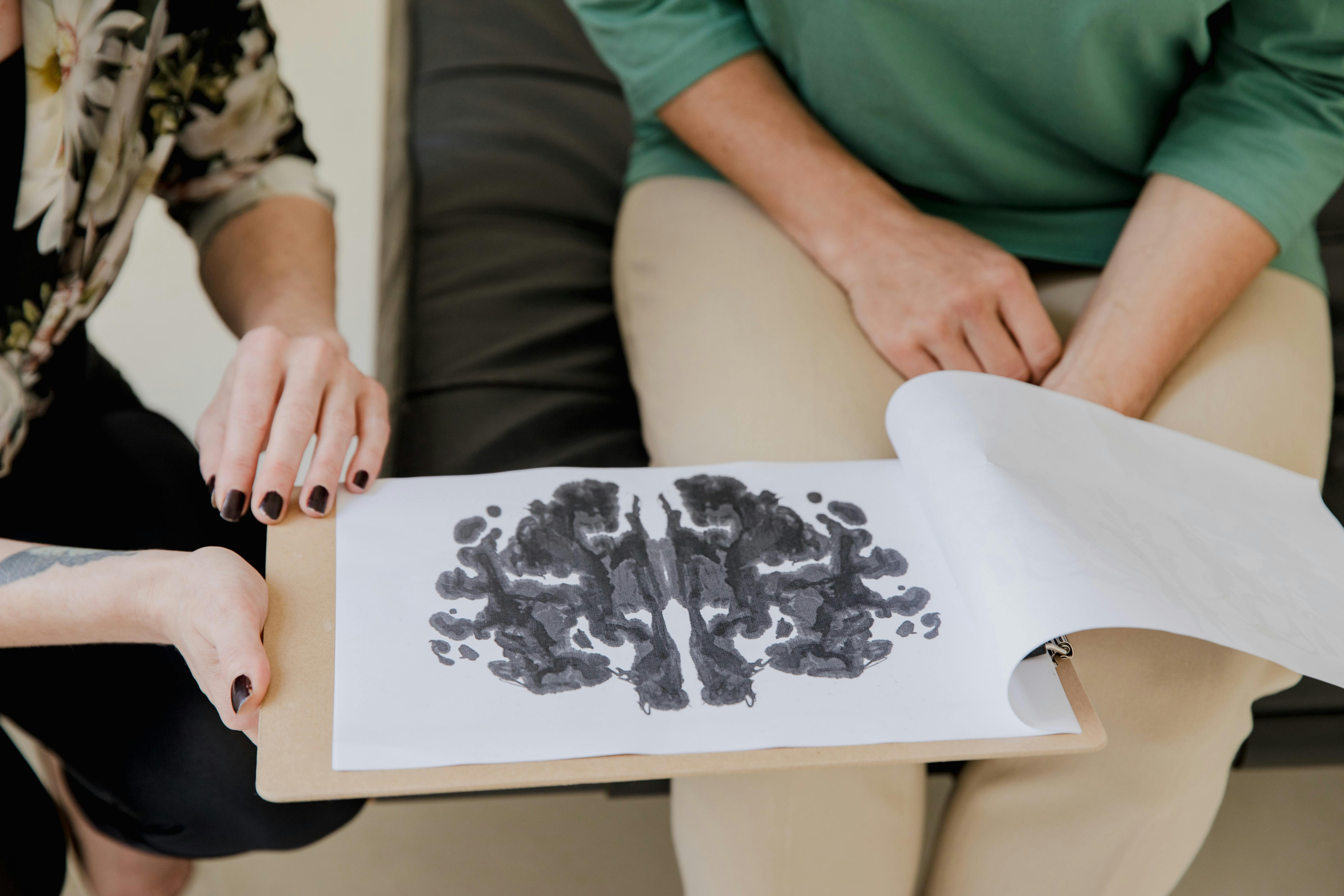
Mental Health Awareness Month (often shortened to MHAM) takes place every May and is widely associated with Mental Health America (MHA). The first official Mental Health Awareness Month was held in 1949, which makes Mental Health Month 2026 the 77th annual edition.
Over time, a wider network of organisations has contributed to the month’s public education and advocacy work, including groups such as NAMI, SAMHSA, NIMH, and others involved in research, prevention, and suicide prevention work.
The overall goals stay consistent year to year:
- raise awareness about mental health and treatment
- reduce stigma
- honour lived experience
- encourage practical support and better access to care
Mental Health Month 2026 theme: More Good Days, Together
The theme More Good Days, Together is a reminder that mental health support is not only about crisis moments. It’s also about building conditions for steadier days.
The idea, as described in MHA’s materials, is to help people have more good days by:
- meeting them where they are
- supporting them as whole people
- defining “good” based on individual goals and realities
- equipping people, workplaces and communities with practical steps
I like this theme because it shifts the focus away from perfection. A good day might mean getting out of bed. It might mean going to work without falling apart. It might mean having one honest conversation. It might mean sleeping through the night.
Why Mental Health Month 2026 matters right now
If we pretend mental health struggles are rare, we build systems that only work for the “ideal” human who never gets overwhelmed.
ThIn 2024, self-assessments of mental health reached new lows, with 23.4% of adults (approximately 64 million people) diagnosed with Any Mental Illness (AMI). The figures are even more concerning for young adults aged 18 to 25, where the rate rises to 33.2%.e exact figures vary year to year, but the overall picture is consistent: this touches millions of people.
Numbers are useful, but they don’t capture the private reality many people live with:
- high functioning stress that looks like competence
- anxiety that lives in the body
- burnout that shows up as numbness or irritability
- loneliness even when you’re surrounded by people
What mind body spirit wellbeing means in practice
When people hear “mind body spirit”, they sometimes think it’s a slogan. I think the simplest way to explain it is this: overwhelm rarely starts in one place, and it rarely stays in one place.
Mind
This includes thoughts, self talk, decision fatigue, worry loops, fear, and the stories we repeat about ourselves.
Body
This includes the stress response, sleep, tension, digestion, headaches, appetite changes, hormones, and the feeling of being on edge.
Spirit
This is not about religion. It’s about meaning, identity, values, purpose, and the feeling of connection to yourself and your life.
A mind body spirit approach is simply a commitment to stop treating people like separate boxes.
Sacred geometry and the nervous system: why patterns can feel stabilising
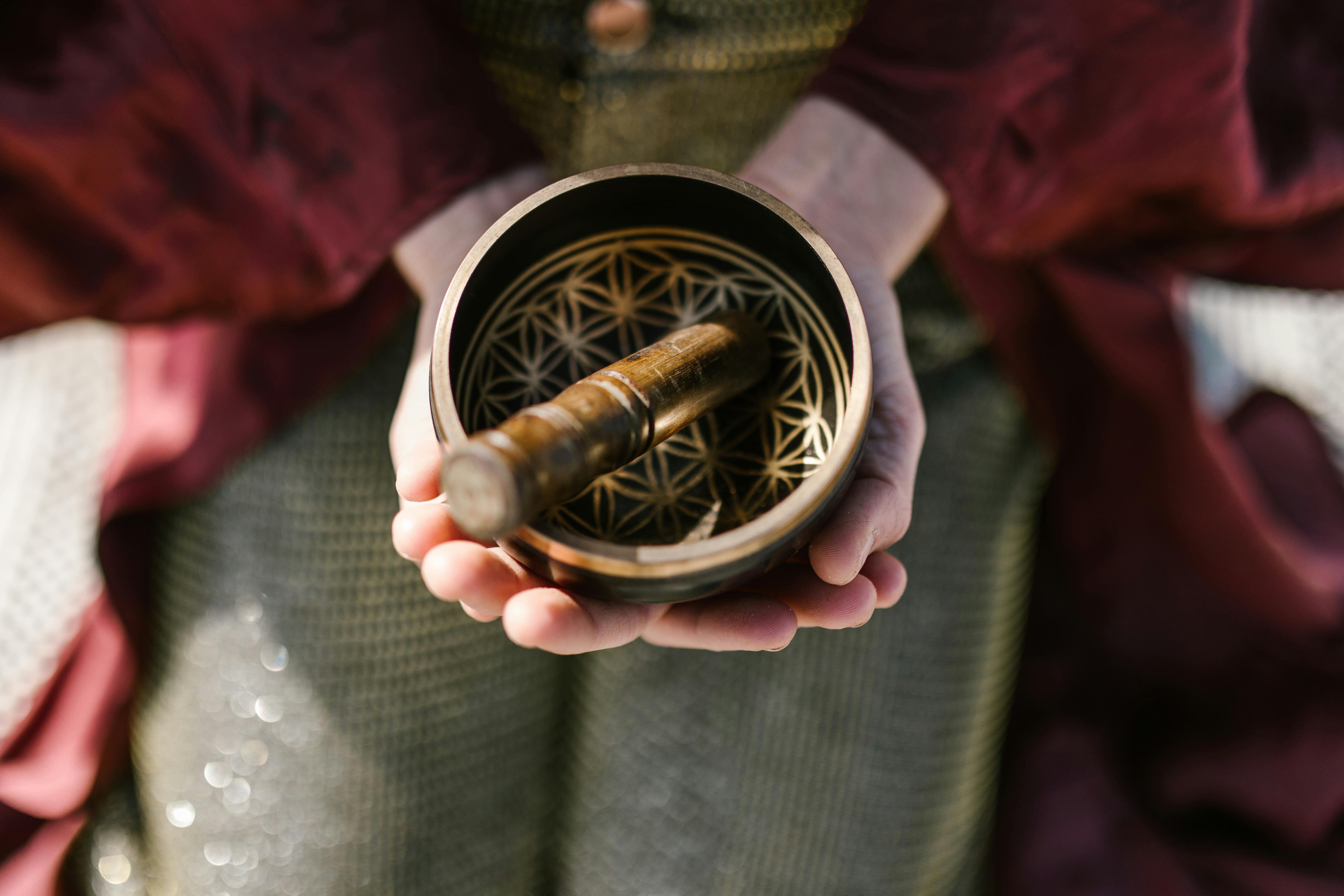
Sacred geometry is often dismissed as either “pretty design” or something mystical. In plain English, it refers to patterns and proportions that appear across nature, art, and architecture, such as spirals, hexagons, symmetry, and repeating forms.
Across history, thinkers and makers have been fascinated by geometry and proportion, from Plato and Vitruvius to Leonardo da Vinci, Johannes Kepler, and Carl Friedrich Gauss. Different cultures have also used geometry in reflective and spiritual contexts, including Buddhist mandalas, Islamic geometric art, and yantras in Indian traditions. Many Christian cathedrals also used geometry as part of their design language.
So what does that have to do with your nervous system?
When we’re overwhelmed, attention tends to fragment. The mind scans, jumps, predicts, worries. The body stays alert. But when we focus on a structured pattern, a few practical things can happen:
- Attention steadies, giving the brain one clear thing to hold
- Symmetry and repetition can feel predictable, which can reduce perceived threat
- Breathing often slows when the mind stops darting around
- the body gets a signal that it can start returning to a calmer baseline
This is not a medical cure. It’s a support tool. It’s one way to help the system settle.
The Flower of Life is one of the best known sacred geometry symbols. At Flowergrid, we use it as a reminder that when one part of life is under strain, the rest is affected too.
What “More Good Days, Together” can look like in real life
This is where the theme becomes useful.
For individuals
- Choose one small habit that makes your day easier to carry
- Reduce one source of unnecessary pressure
- Get honest about what you can and cannot do right now
- Reach out to one safe person, even if it’s just a short message
For workplaces
- Normalise the conversation without forcing people to disclose personal details
- Train managers to respond well, not perfectly
- Make adjustments practical: workload, clarity, autonomy, communication
- Treat wellbeing as performance infrastructure, not a perk
For communities and families
- Ask better questions than “Are you ok?”
- Try “What’s been heavy recently?” or “What would make this week slightly easier?”
- Reduce stigma by talking about support the way we talk about physio or dental care
- Signpost early, not only when someone is in crisis

What this is not (and when to seek more support)
Mental Health Month is not about pretending everything is fine. It’s about making it easier to get support earlier.
If you feel persistently overwhelmed, numb, panicky, or unable to function, speak to a qualified professional. If you are in the UK and need urgent help, contact NHS 111, or call 999 in an emergency.
A note from Flowergrid (and where to find us)
Flowergrid is a holistic wellness centre in Croydon built around joined up mind body spirit support. If you want to explore our approach, you can learn more here: https://flowergrid.co.uk
Whatever Mental Health Month 2026 means to you, I hope it includes one thing that actually helps: more honest support, more connection, and more good days, together.